In the sand washing production line, the ore dressing operation is very important. With the increase in environmental protection in recent years and the tight supply situation of domestic mineral resources, we have to use the tailings that were once overlooked. The tailings are ignored because the residue cannot be further sorted. However, with the development in recent years, we have found that tailings are not completely useless waste, and often contain other ingredients that can be used for other purposes. The processing technology and development and utilization can effectively “turn waste into treasure”, which not only eases the resources and environmental pressure but also realizes the comprehensive utilization of tailings!
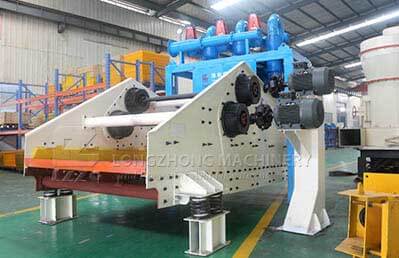
The tailings zero discharge system is a specialized treatment system specially developed for the tailings dry discharge and tailings slurry zero discharge in the mine beneficiation industry. Compared with the traditional tailings treatment method, what are the advantages and characteristics of the tailings zero discharge treatment system in the sand washing production line? I will tell you below.

Most of the domestic tailings still use wet emissions, and the tailings pond stores tailings. This traditional process has certain harm to the environment and safety. In the traditional tailings treatment, tailings dams are used together with thickeners for tailings treatment. There are many problems in such treatment technology. The main problems are as follows: the construction of tailings ponds has a large area and the safety risks are large. It has the problems of long tailings transportation distance, high investment cost, and high operating cost. The tailings sludge cannot be effectively dehydrated, the water recycling rate of the tailings pond is low, and the power consumption is large, which will cause high cost of returning water.
Comments
Post a Comment